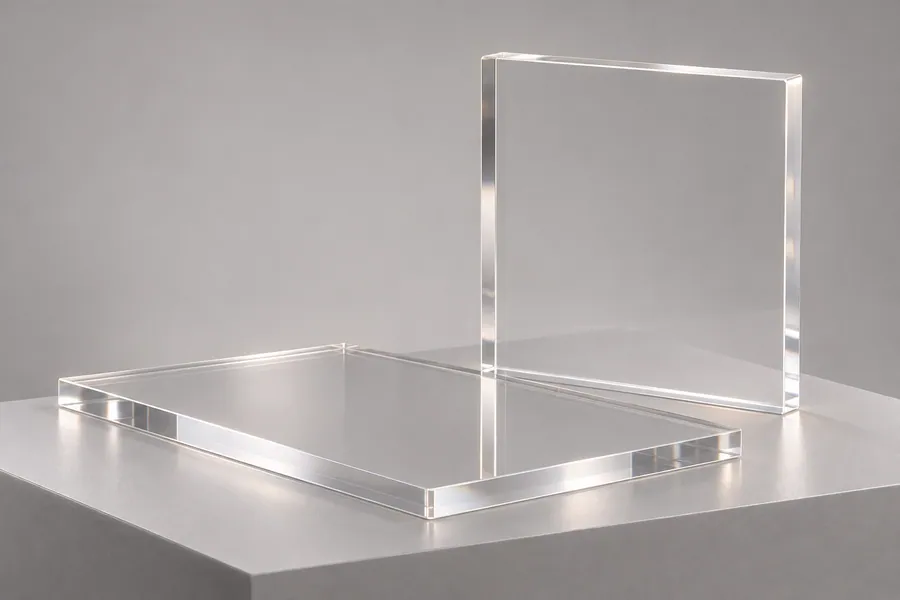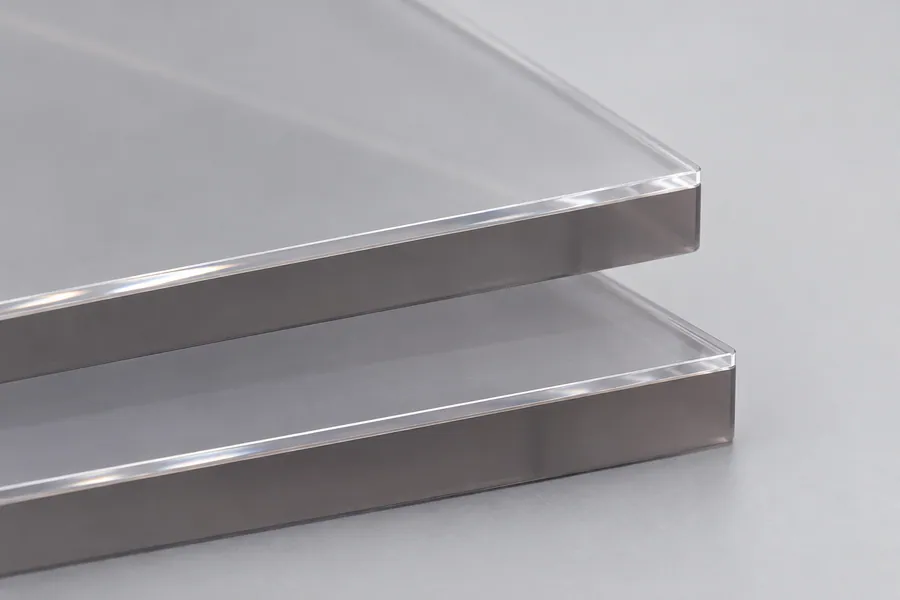
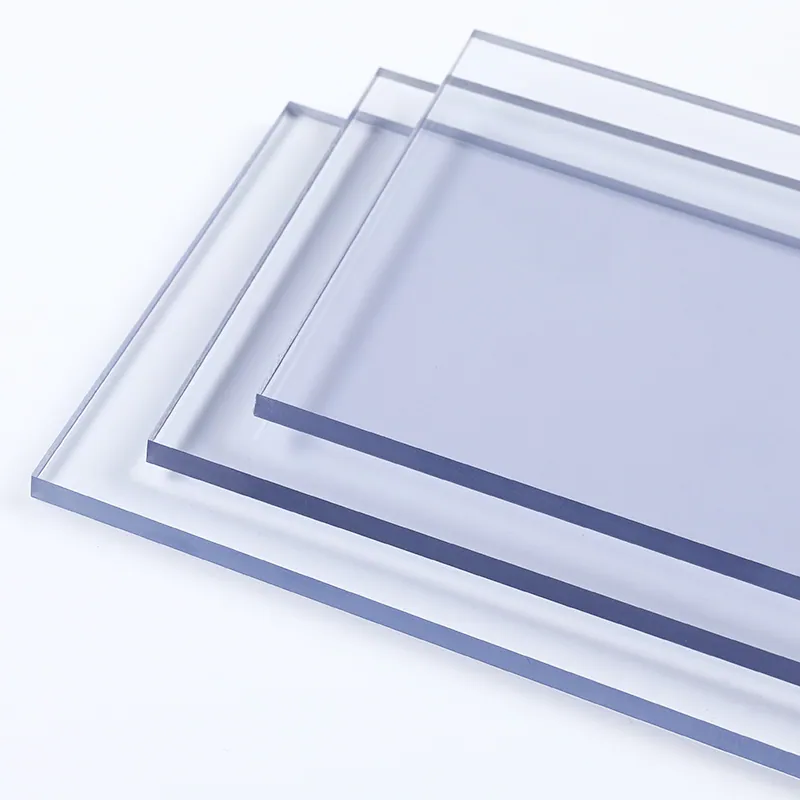
Anti-static sheet enquiries need more than the words “ESD material”. The supplied product information describes surface-treated sheet options for electronics, equipment and other working environments where static control matters.
Identify the base material
Specify whether you are considering PC or PMMA, or ask for help choosing a suitable starting point. Also describe the intended component, the sheet size, thickness, colour and visibility requirements.
Agree on what will be tested
State the required surface-resistance range if your project already defines one. Confirm the test method, measurement conditions, sample preparation and acceptance criteria with the supplier.
Surface resistivity and volume resistivity describe different measurements. A value for one should not be treated as evidence for the other.
Describe the working environment
Tell the supplier about the application, humidity conditions, cleaning agents and any additional appearance or surface requirements. Ask for documentation relevant to the proposed grade and your use case.
Validate the proposed construction
Evaluate the sample in the actual fabrication and operating conditions before confirming a production order. If the sheet is part of an equipment enclosure or production system, define the complete assembly requirements with the responsible project team.
Material suitability and performance are grade- and application-specific. HIPLAS can review your enquiry and coordinate the next material and sample discussion.